Vikings: War of Clans opens like a saga. You are a Jarl with a modest town, a handful of warriors and a map full of rivals, and the game wastes no time encouraging you to build, train and raid. Plarium describes the loop plainly: construct buildings, train warriors and send your Heroes on raids. It is the most immediate of our six, and the one most built around frequent short visits.
It is also the game where the clan matters most. A lone Jarl can grow a respectable town, but the real drama of War of Clans happens at kingdom level, where clans compete to seize and hold the Place of Power. That gives the game a clear political summit, and a reason for even modest players to care about what their leaders are planning.
Building a town fit for a Jarl
Your town is the centre of everything, with buildings producing resources, housing and training troops, and upgrades that unlock better options. The rhythm is quick at first and slows as costs climb, which is typical of the genre. Construction queues and timers mean you will often log in for a minute, start something new and log out again, a pattern that suits a phone in a coat pocket very well.
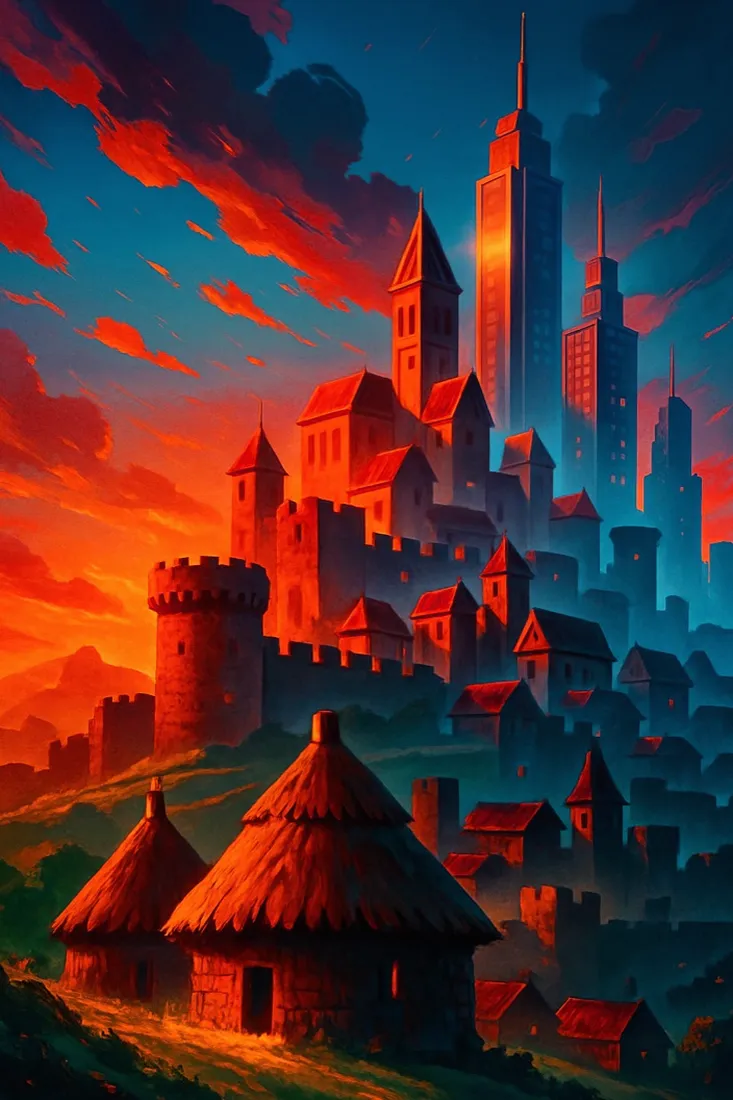
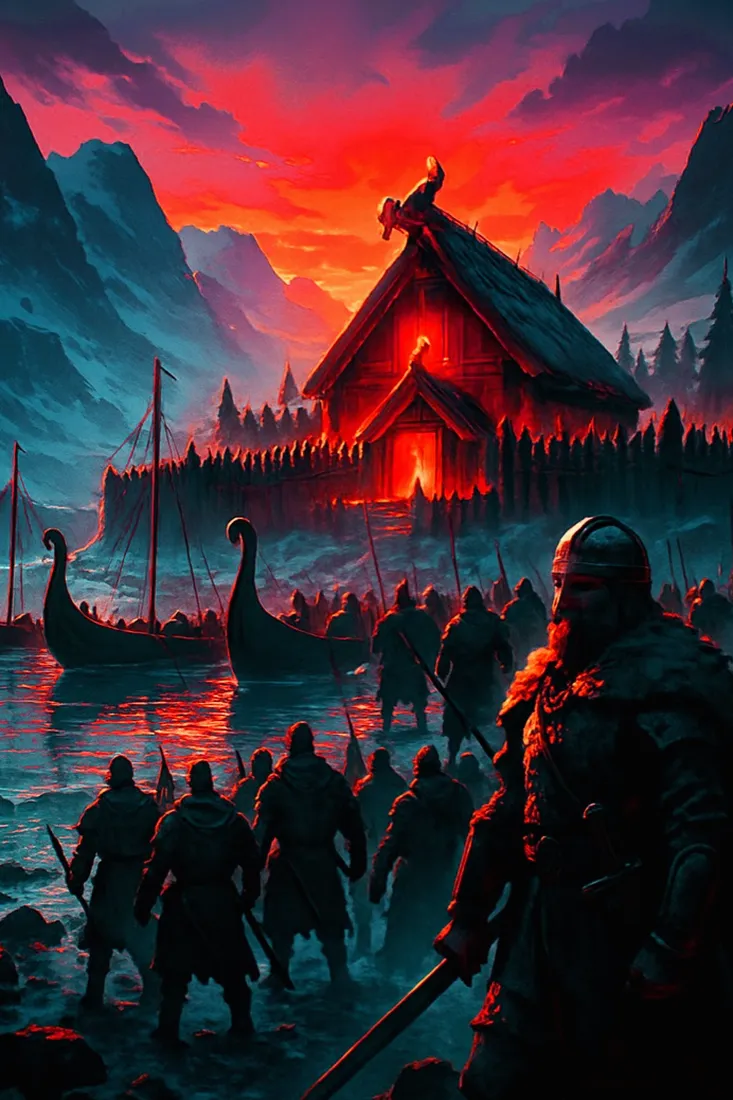
It looks good, too. The Norse setting is handled with plenty of carved wood, snow and firelight, and the town grows visibly as you invest in it. There is less layout puzzle than in Forge of Empires, but the steady sense of growth is pleasant, and the early quests guide you towards sensible priorities without much effort.
Knowledge, Heroes and troop tiers
Research is called Knowledge, and the game makes a point of saying it can be as sharp as any sword. Studying it improves your economy and army, and unlocking higher troop tiers depends on the corresponding Knowledge in the Oracle. Higher tiers mean stronger warriors, so the research path effectively decides how dangerous your marches become.
Your Jarl develops along a skill tree, and Heroes can be sent out to raid. Together these give you a sense of a character growing alongside the town, which suits the saga mood. In practice, though, the mid-game becomes a long climb of costs and timers, and this is where the pressure to speed things up with purchases starts to be felt.
Marches, raids and the kingdom map
Outside the walls lies the kingdom map, where you send marches to gather from resource tiles, attack other players or support clanmates. Timing and troop choice matter, and a well-coordinated clan hit is genuinely exciting to be part of. Equally, leaving your town poorly defended overnight invites trouble, so experienced players learn to shield their resources and plan around the hours they are away.
This is the game that most rewards checking in often. Short visits to send marches, collect resources and answer clan calls add up to a steady stream of small decisions. If you enjoy that rhythm, it is satisfying. If you prefer a slow, considered campaign, Call of War or Travian Kingdoms will suit you better.
The Place of Power and the price of glory
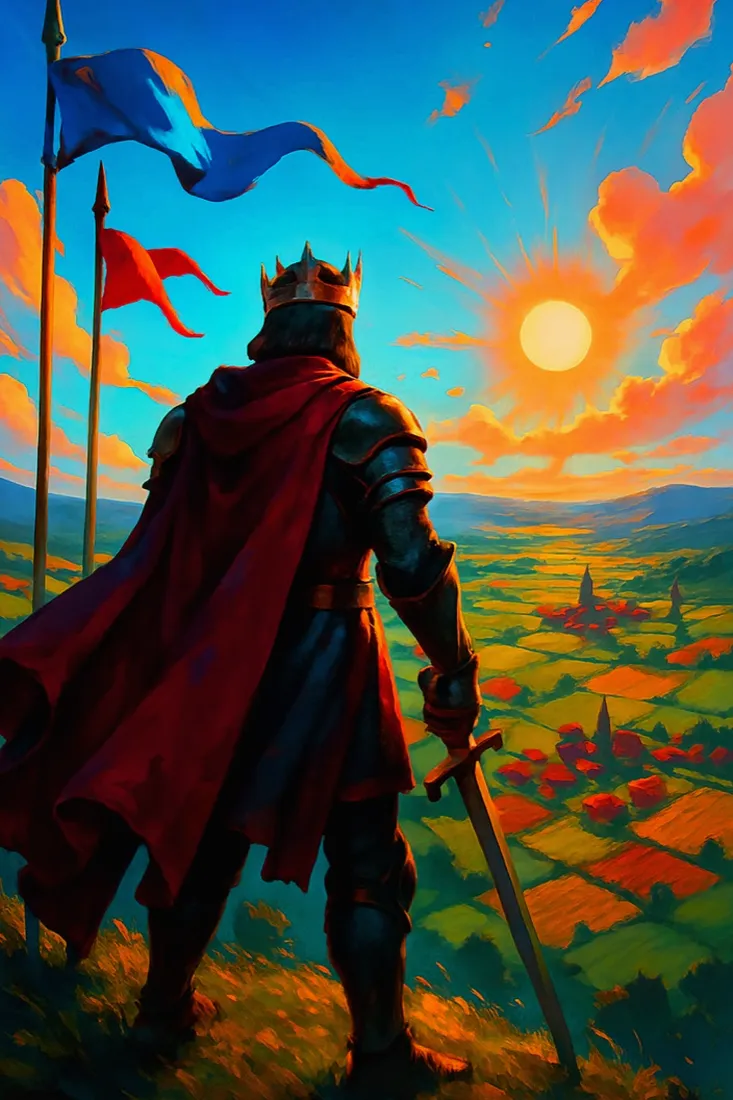
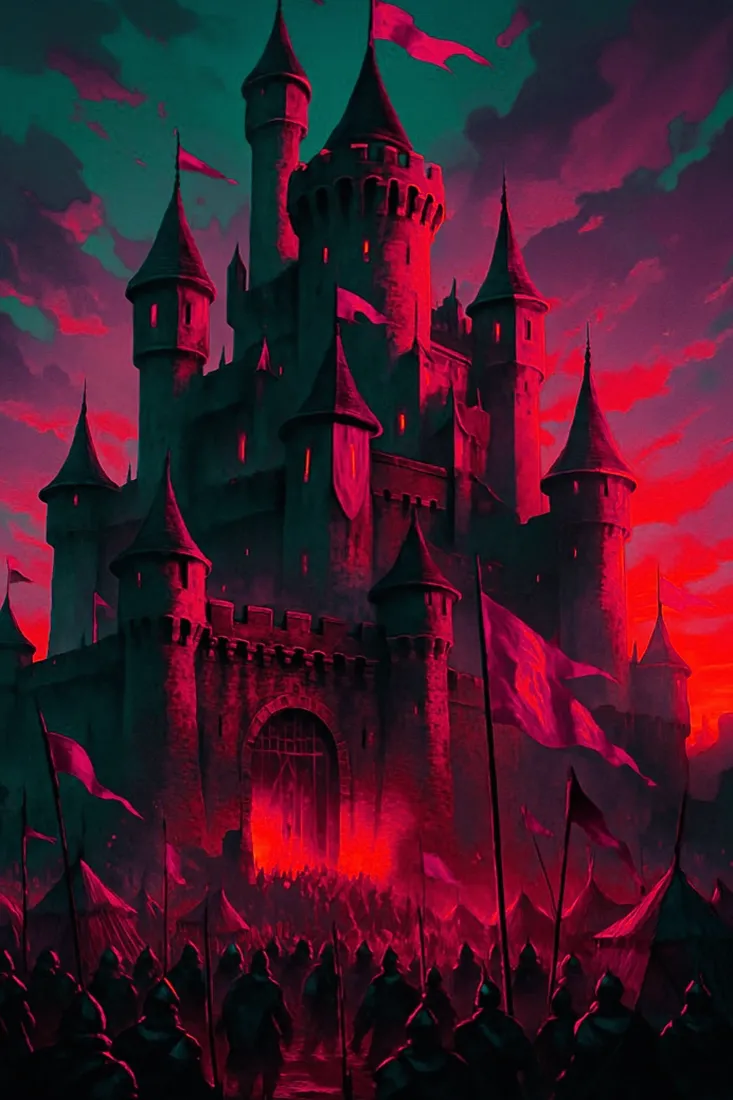
At the centre of each kingdom stands the Place of Power, a fortress that clans fight to capture and hold. The Chief of the clan that holds it becomes Konung and can hand out Reputes, titles that grant some Jarls bonuses and saddle others with penalties. It is a brilliant piece of design, because it gives the whole kingdom a political centre and makes every alliance shift matter.
The cost is that competition at the top is fierce, and the shop plays a visible part in it. Free players can enjoy the town, the raids and clan life, and a good clan will value an active member who turns up for events. But at the summit, spending makes a real difference, which is why War of Clans scores lowest here on fairness.
Vikings: War of Clans: the opening campaign week
- Follow the early quests to set up a balanced economy before you start raiding neighbours.
- Invest in Knowledge steadily; higher troop tiers depend on it more than on anything else.
- Join an active clan within the first few days and read its rules carefully.
- Protect your resources before logging off, especially once your town becomes worth raiding.
- Send marches to resource tiles during short visits so your town keeps growing between sessions.
What we love
- An immediate, atmospheric Norse town that grows visibly with each upgrade.
- Troop tiers tied to Knowledge give research a clear, satisfying purpose.
- The Place of Power and Konung titles create genuine kingdom politics.
- Short, frequent sessions fit neatly around a busy day.
What grates
- Spending shapes the competitive top end more than in any other game here.
- The mid-game slows into a long climb of costs and timers.
- Unprotected towns get raided quickly, which can sting for newcomers.
The commander Vikings: War of Clans rewards
Vikings: War of Clans is for players who enjoy a quick, frequent rhythm and a clan to belong to. If raiding, coordinated hits and kingdom politics appeal more than long, slow planning, and you can live with a busy shop, it delivers plenty of drama.
Vikings: War of Clans: the debrief
The most dramatic clan politics on the desk, and the most demanding shop. Vikings: War of Clans gets you building and raiding within minutes, and the fight for the Place of Power gives every kingdom a story. But the climb grows steep and spending matters at the summit, so it lands sixth: great fun for the social raider, less so for the patient planner.