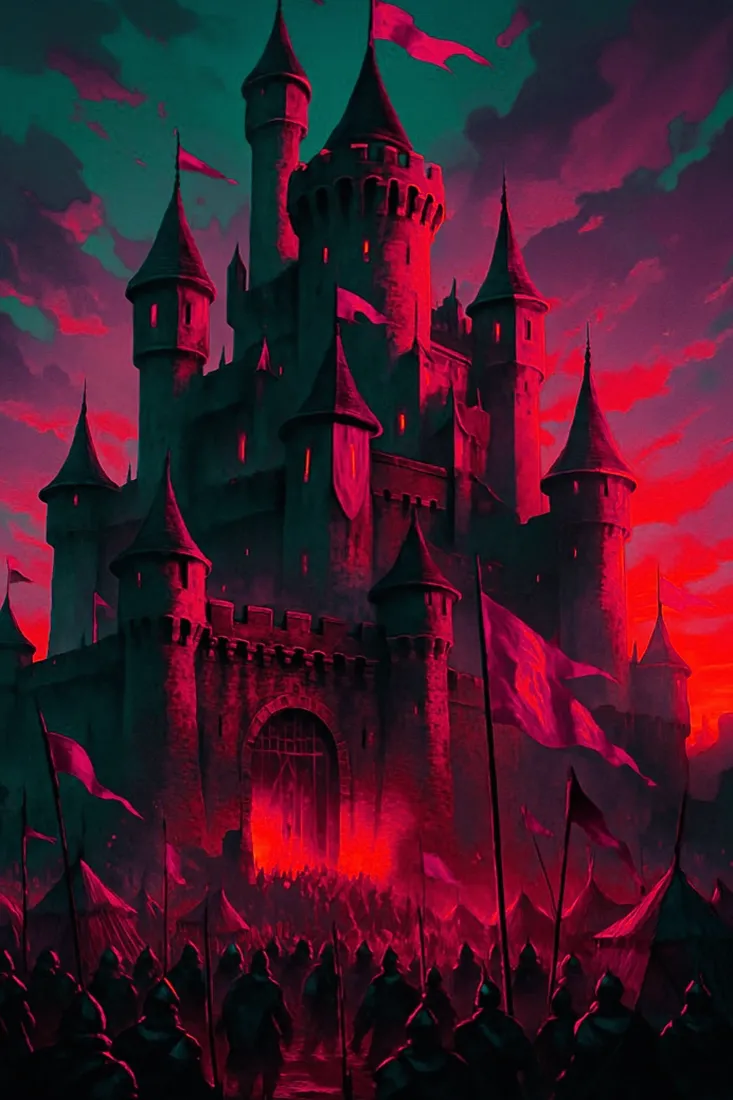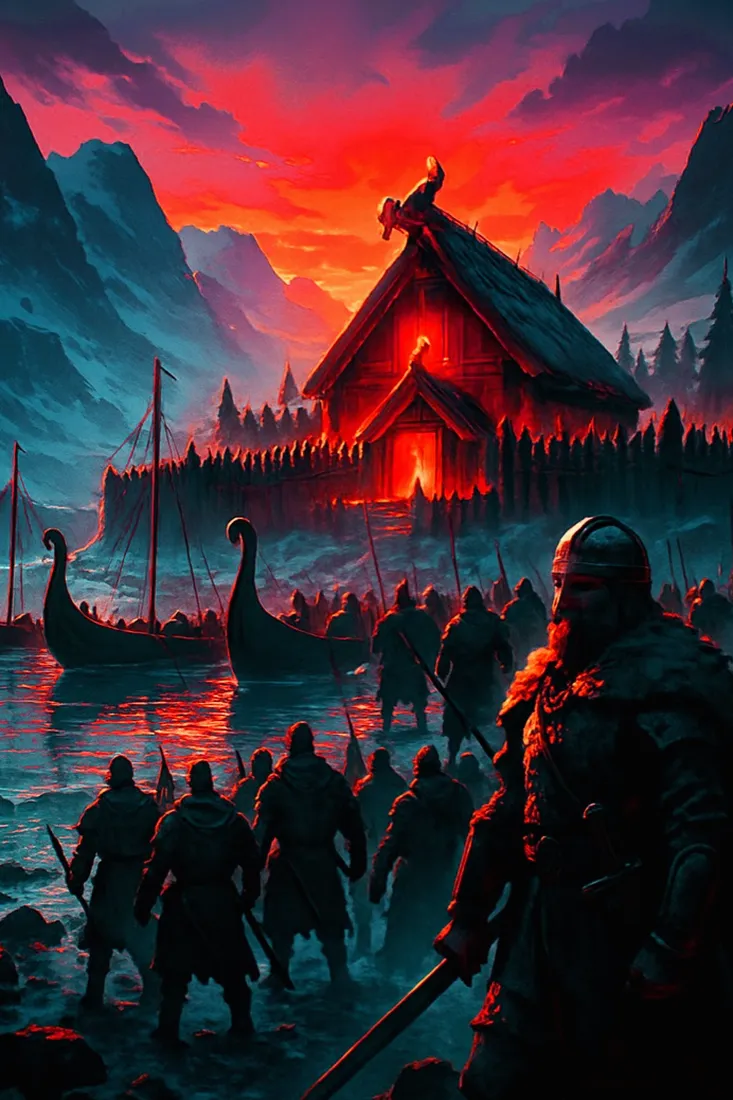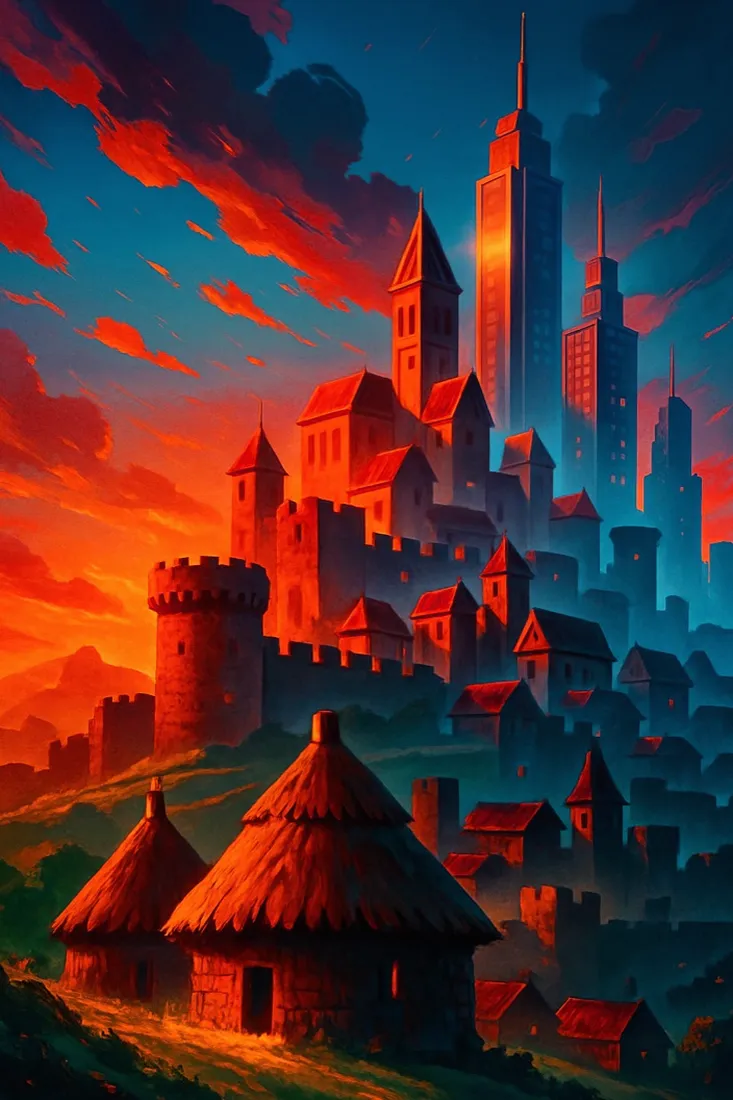
Forge of Empires begins with a handful of huts and a promise: keep going and this little settlement will outlast empires. InnoGames opened the game to the public in 2012, and it has been accumulating ages, mechanics and devoted planners ever since. The premise is simple. Houses provide population, population lets you build, and production feeds the research that moves you forward in time.
What keeps people here for years is that the city is always yours. Neighbours exist, guilds exist and battles happen, but the heart of the game is a grid you arrange and rearrange, and a research tree that slowly unlocks new buildings for every era. It is the least warlike game on this desk, and the one we found hardest to stop checking.
Houses, production and a grid that never stops changing
The economy is wonderfully legible. Residential buildings give you population and money, production buildings turn out supplies, and goods buildings make the materials that later research demands. Every new era brings better versions of each, so the city is constantly being torn down and rebuilt. There is a real puzzle in squeezing more into the same space, and roads need planning too, because buildings must connect to your town hall.
That constant renewal is the game’s quiet genius. Just as your layout feels settled, a new age arrives with bigger, better buildings that do not fit, and you start sketching again. It feels like gardening more than conquest: patient, slightly obsessive and very satisfying when a new arrangement finally clicks into place after an evening of nudging.
Forge Points and the long march through the eras
Progress runs on Forge Points, which recharge over time and are spent on technologies in the research tree. You can buy some with in-game money or supplies, but the steady trickle is the main engine. Each technology unlocks new buildings or features, and finishing an era opens the next. From the Stone Age through the medieval centuries, industry and modern times, the game keeps reaching into the future.
Because Forge Points regenerate, there is a natural rhythm to the game: spend, wait, spend again. That makes it ideal for short visits. You never feel punished for not grinding, and the decisions about where to put each point remain interesting, especially when you also want to invest in a Great Building that will boost the whole city for years.
Great Buildings worth arguing over
Great Buildings are based on famous historical structures, and each grants a bonus to your city. Building one needs goods and a set of blueprints, and levelling it up asks for contributions of Forge Points, often from guildmates and neighbours who expect something back. This is where Forge of Empires becomes quietly social. Trading points and favours with other players is a meta-game all of its own.
Choosing which Great Buildings to raise is one of the most debated topics in the community, and for good reason: the right ones shape how your city plays for months. We found ourselves reading guild discussions late into the evening, weighing whether a military bonus or a production bonus suited our style better. Few builders give you a decision that matters for so long.
Hex-grid battles and the guild around you
Combat happens on hexagonal grids in turn-based tactical battles. Units have strengths and weaknesses against each other and against certain terrain, in a rock-paper-scissors pattern, so army composition matters more than raw size. You fight computer opponents on a campaign map and other players too. Auto-battle is available, but the manual fights are a genuinely enjoyable little tactics game when you have the time.
Guilds give the game its community. They help with Great Buildings, coordinate in team activities and offer a place to ask the questions every newcomer has. The shop sells speed and decorations, and some special buildings, but a free player can progress comfortably; the main cost is patience. That generosity is why Forge of Empires scores so well on fairness and rhythm.
Forge of Empires: the opening campaign week
- Follow the early quests closely; they teach the economy and hand out useful resources while you learn.
- Leave space in your layout for roads, and connect every building to the town hall from the start.
- Spend Forge Points as they arrive rather than letting them cap out unused overnight.
- Fight a few manual battles to learn how unit types counter each other on different terrain.
- Join an active guild early; their help with Great Buildings speeds everything up.
What we love
- A city that genuinely changes shape with every new era of research.
- Forge Points make short, regular visits feel productive rather than pointless.
- Great Buildings create long-term choices and friendly trading with other players.
- Turn-based hex battles reward thought over army size.
What grates
- Later eras demand a lot of goods juggling and inventory management.
- Rebuilding the whole layout every age can feel like a chore some weeks.
- War is a side dish, so pure tacticians may want more bite.
The commander Forge of Empires rewards
Forge of Empires is for builders, tinkerers and anyone who wants a strategy game that will not punish them for having a life. If you like the idea of a city that grows across thousands of years, and a guild that helps you along, start here.
Forge of Empires: the debrief
The gentlest empire on the desk and the most addictive. Forge of Empires turns town planning into a long, satisfying march through history, with Great Buildings and guild trading adding depth that sneaks up on you. Its battles are a pleasant tactical sideline rather than the main event, which keeps it below Call of War for us, but no game here fits a busy life more gracefully.