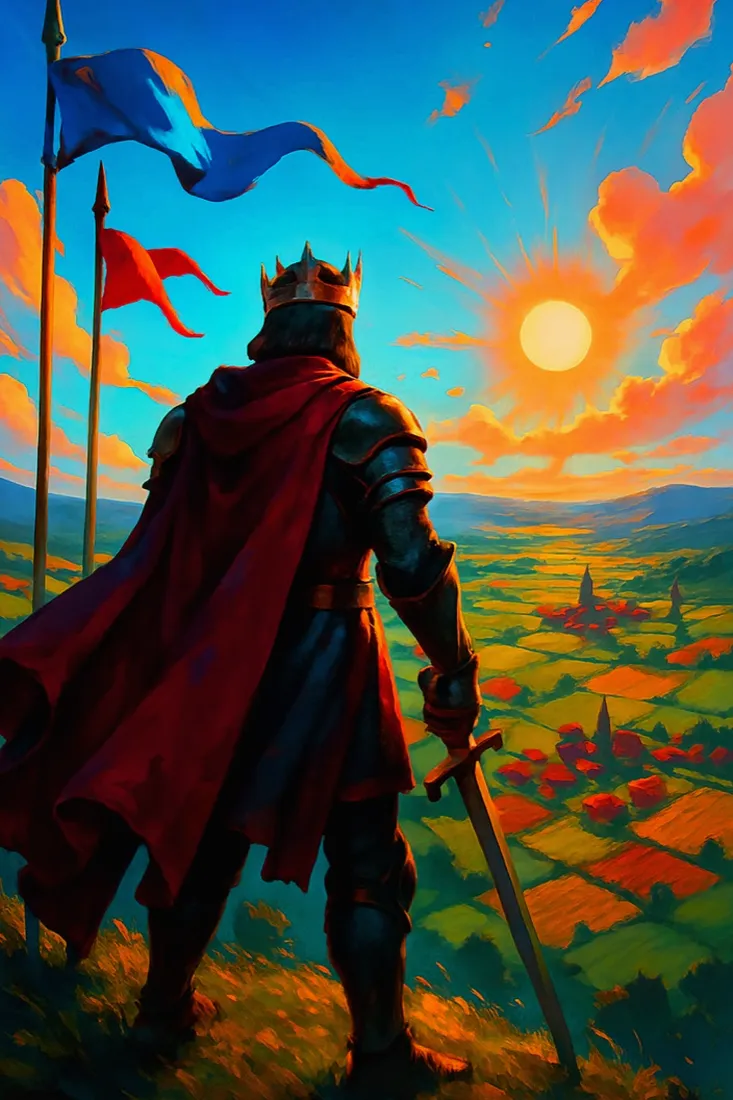
Most strategy MMOs treat every player as a would-be emperor. Travian Kingdoms takes a more interesting line: at the start you choose whether to be a king, who leads a kingdom and protects its members, or a governor, who settles inside a kingdom’s borders and concentrates on building a strong economy. Both roles matter, and the game is at its best when they work together.
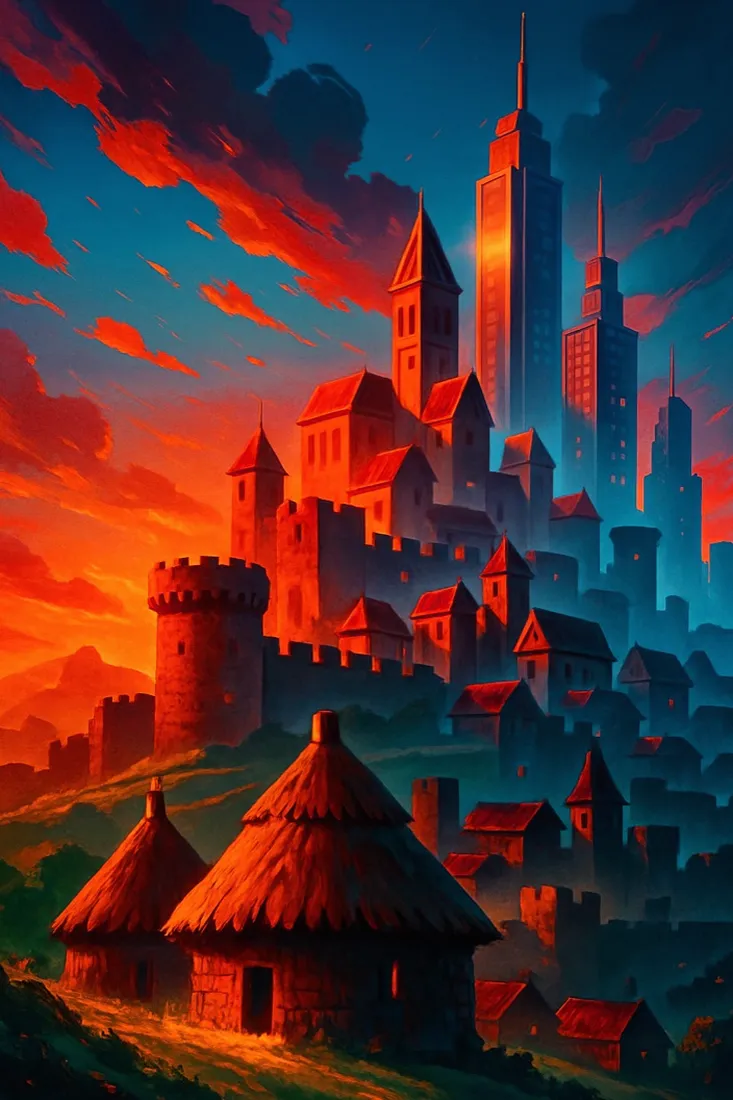
Travian Games built its reputation on the original Travian, one of the classic browser strategy games, and Kingdoms keeps the familiar foundations: wood, clay, iron and crop, villages to grow and neighbours to raid. What it adds is structure. Kingdoms have borders, kings collect tribute, treasures shape influence, and a round of around six months ends in a race to complete the Wonder of the World.
Crown or counting house: picking your role
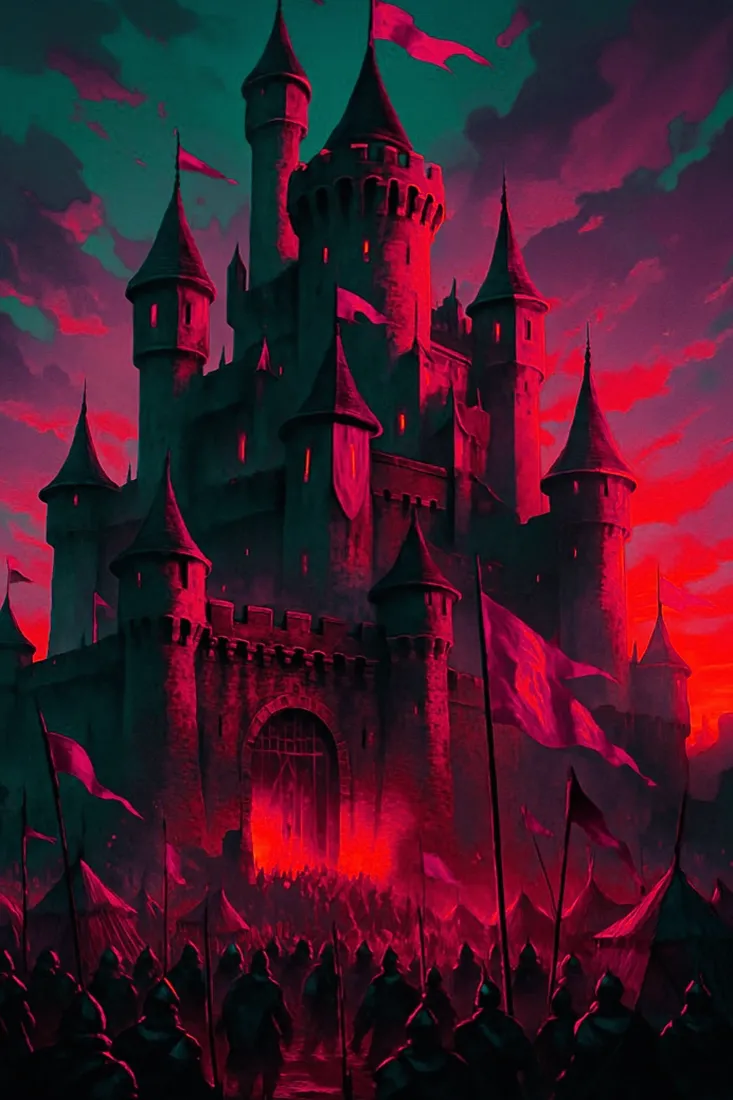
The king’s role is designed for militarily active players. A king shapes territory, protects governors from raids and collects tribute in return, and can appoint dukes to open further zones of influence. It is demanding and social: a king who neglects their people will watch tribute dry up and governors drift away. If you like leading and do not mind being the person everyone messages, it is thrilling.
Governors are the backbone of every kingdom and the role most players take. You build, trade and grow, and your villages generate tribute on top of normal production, so paying it does not shrink your own output. You can protect it with a Hidden Treasury, or refuse to hand it over, though that tends to cause friction. For beginners, it is the most comfortable way into the game.
Gauls, Teutons and Romans
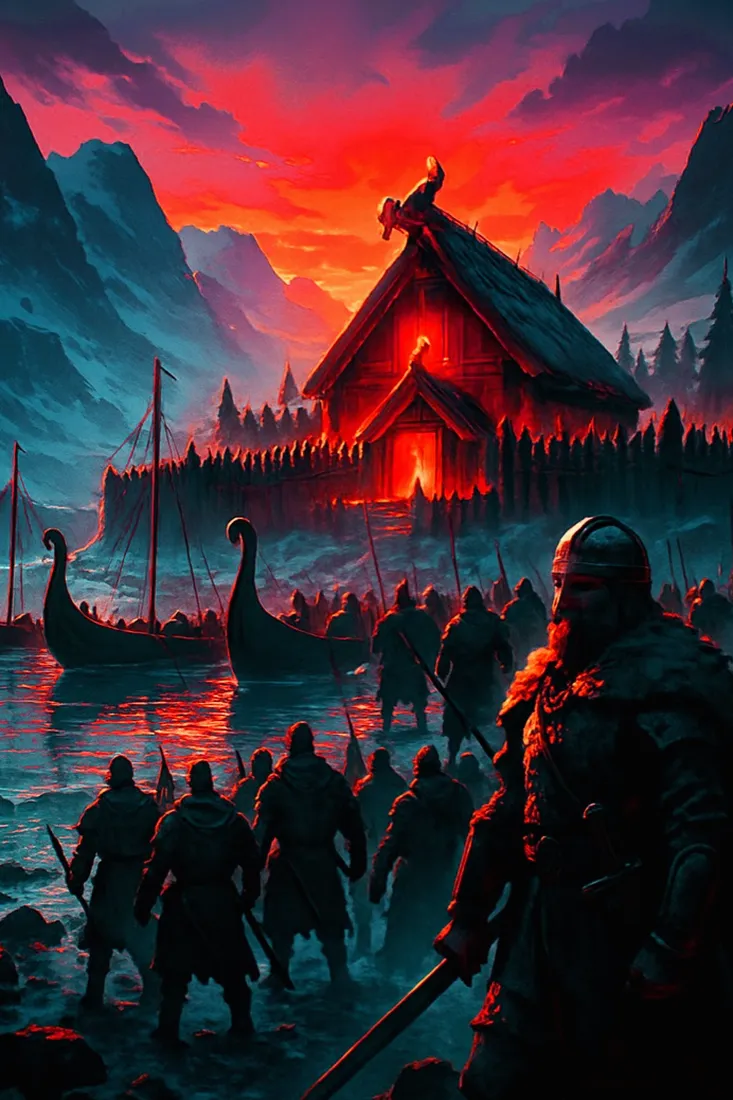
Three tribes are on offer, and the official site describes them neatly. Gauls are very suitable for beginners, with a defensive leaning that forgives early mistakes. Teutons are for active, warlike players who enjoy raiding. Romans are for experienced strategists, and they reward careful planning of construction and troops. Your choice shapes your first weeks more than anything else.
We played a Gaul governor and a Teuton king in parallel, and the contrast was striking. The Gaul account felt like a peaceful farming game punctuated by the occasional scare, while the Teuton spent its mornings timing raids and its evenings answering diplomatic messages. Neither is better; they simply suit different temperaments, and the game is honest about that from the very first screen.
From villages to cities, and treasures to guard
Growth comes through settling new villages and upgrading them to cities, which unlock more building space and better production. Keeping citizens happy with celebrations is part of the job, and so is defending what you build. A well-run account ends up with a small network of settlements trading resources between them, each with its own specialism. It is deeply satisfying to watch it come together.
Treasures add a layer of competition at the kingdom level. Collecting and protecting them boosts influence and contributes victory points, so they become the focus of raids, sieges and late-night defensive scrambles. Even a quiet governor ends up caring about the treasure count, because it decides where the kingdom stands when the round reaches its later stages.
Six months towards a Wonder
A round of Travian Kingdoms runs for around six months and builds towards the Wonder of the World, which only the strongest kingdoms can realistically complete. That long arc gives the game a seasonal feel. Early weeks are about settling and choosing friends; the middle months about consolidation and war; the final stretch about whether your kingdom can protect a Wonder while everyone else tries to stop it.
That length is both the appeal and the warning. It is a commitment, though governors can play with a lighter touch than kings. Optional purchases speed construction and add conveniences, and active spenders exist, but the team structure softens their impact: a strong kingdom shares defence and resources. Like Supremacy 1914, it rewards regular presence and good relationships above everything else.
Travian Kingdoms: the opening campaign week
- Choose your tribe carefully; Gauls are the safest start if Travian is new to you.
- Start as a governor unless you already know you enjoy leading and answering messages.
- Balance wood, clay, iron and crop early so no single shortage stalls your building queue.
- Settle inside a protective kingdom’s borders and introduce yourself to the king straight away.
- Build a Hidden Treasury before raiders start sniffing around your tribute fund.
What we love
- King and governor roles give every player a meaningful job inside a team.
- Three tribes with honest descriptions that genuinely change how you play.
- Treasures and tribute create kingdom-wide stakes even for quiet players.
- A clear six-month arc with a satisfying Wonder of the World finale.
What grates
- Six months is a long commitment for anyone with a busy diary.
- Being a king can feel like a second job in the middle months.
- The early economy is slow until your second village is up.
The commander Travian Kingdoms rewards
Travian Kingdoms is for players who enjoy belonging to something bigger, whether that means leading it or quietly making it rich. If you like long seasons, defined roles and a team that depends on you, it offers the most satisfying social structure here.
Travian Kingdoms: the debrief
The best long season on the desk. Travian Kingdoms turns a classic village-building formula into a genuinely cooperative war, with kings and governors each pulling their weight towards a distant Wonder. It asks for patience and regular attention, and kings will feel the pressure, but few games make you feel so useful to so many other people. Ideal for the steady, sociable strategist.