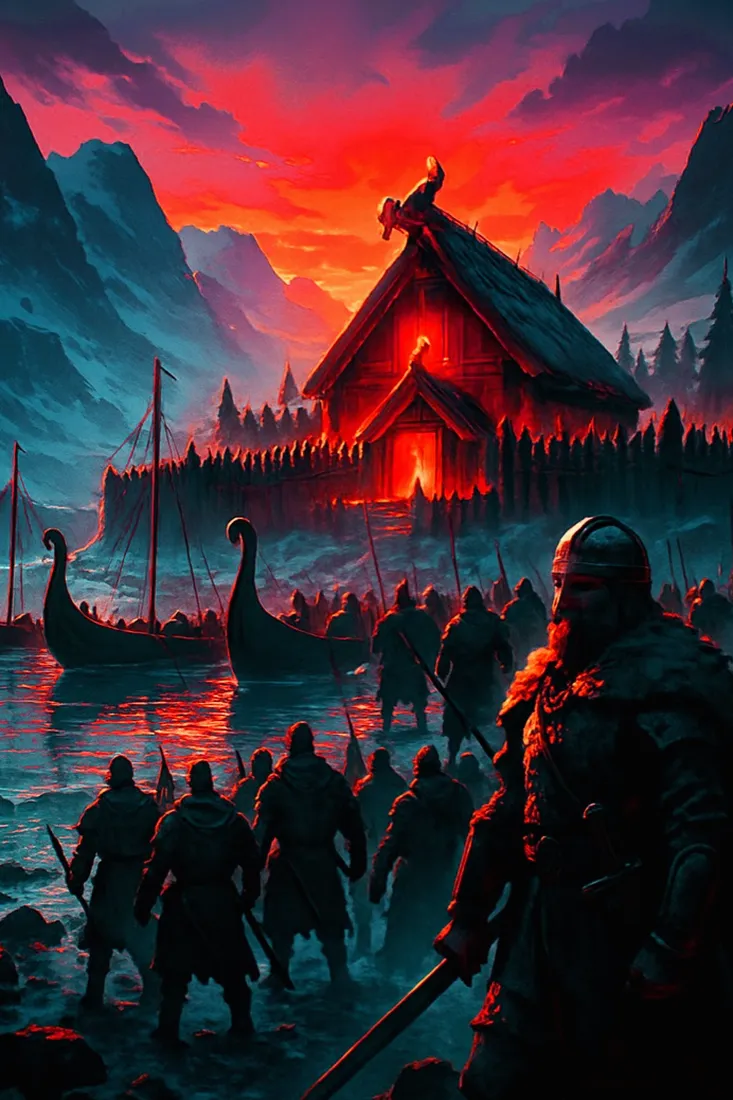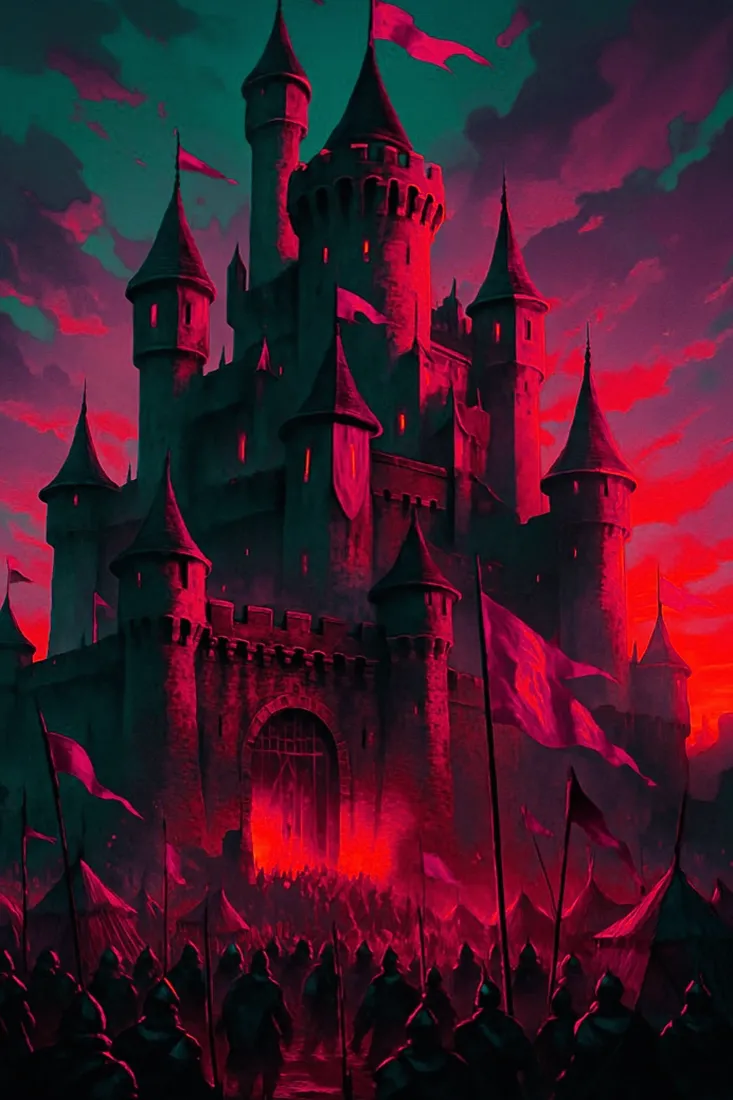
Goodgame Empire has been building castles in browsers since 2011, and it wears that experience lightly. You start with a modest keep, a few fields and a quest log, and within an hour you are placing walls, training soldiers and eyeing a neighbour’s stores of food. It is bright, busy and immediately understandable, with none of the slow, map-reading gravity of the grand strategy games above it.
The core loop is classic: gather food, wood and stone, construct and upgrade buildings, train troops, then attack computer camps and other players or defend against them. Rubies act as the premium currency, and commanders lead your armies into battle. What makes Goodgame Empire last is the alliance layer, which turns a solitary castle into part of a noisy, ambitious community.
Stone walls and the economy behind them
Your castle is both a city and a fortress. Inside the walls you build production and housing; on the walls themselves you place defences and assign troops. The balance between the two is the heart of early play. Spend too heavily on soldiers and your economy stalls; too little and the first raider who notices you will carry off a day’s food. The quest line does a good job of teaching that balance.
Upgrading walls, gates and towers is particularly satisfying, because you can see the castle visibly toughen over a week. We enjoyed arranging defences around the gaps an attacker would target, and the game’s battle reports make it clear what worked and what did not. It is a tactile, visual kind of strategy rather than an abstract one.
Commanders, armies and the attack screen
Commanders lead your attacks and can be equipped with armour and weapons that improve their performance. Before an assault you split your troops across the flanks and front of the enemy castle, choose siege tools and send them on their way. It is a light tactical layer, but a real one: reading a target’s defences and loading your attack accordingly makes a visible difference.
Defence works the same way in reverse, which means a well-arranged castle can embarrass a careless attacker. Much of the joy comes from these small duels with neighbours, and from the battle reports that follow. It does not have the sweep of Call of War’s fronts, but it gives you a steady drip of small victories and lessons.
Four kingdoms with their own treasures
The Great Empire is where everyone builds their first castle. As you climb levels, you can establish castles in three further kingdoms, each producing a special resource: coal in the Everwinter Glacier, oil in the Burning Sands and glass in the Fire Peaks. Those resources feed advanced construction, so expanding into the other kingdoms becomes a natural mid-game goal.
The extra kingdoms give the game welcome variety. Each has its own look and its own rivals, and managing several castles across them adds a logistical layer the opening hours lack. It also spreads your attention more thinly, which is where the game starts to ask for more time than its cheerful exterior suggests.
Alliance life, events and the ruby question
Alliances are the soul of Goodgame Empire. They share defence, coordinate attacks and work through regular events together, and a good alliance chat is genuinely friendly and helpful to newcomers. On a winter evening in the UK we found ours buzzing with plans, and the sense of belonging carried us through some slower stretches of building.
Rubies, the premium currency, can speed almost everything, and the game is not shy about offering them. Free players can enjoy the building and alliance life comfortably, but at the competitive top end of events, spending makes a visible difference. That is why Goodgame Empire scores lower on fairness and depth than the grand strategy games, even though it is a pleasure to play day to day.
Goodgame Empire: the opening campaign week
- Follow the quest line closely; it teaches the economy and hands out handy resources.
- Balance food, wood and stone production before you train a large army.
- Upgrade your walls and gate early, so opportunistic raiders bounce off your castle.
- Equip your commander with whatever gear you find; even modest pieces improve attacks.
- Join an active alliance with a friendly chat before your beginner protection runs out.
What we love
- A bright, readable castle that visibly toughens as you upgrade it.
- Attack and defence screens with a genuine, if light, tactical layer.
- Three extra kingdoms with special resources add welcome mid-game variety.
- Alliance chats are lively and often very welcoming to newcomers.
What grates
- Ruby offers appear often, and top-end events lean towards spenders.
- Strategic depth is shallower than the grand strategy games on our list.
- Several castles across kingdoms can stretch your attention thin.
The commander Goodgame Empire rewards
Goodgame Empire is for players who want a medieval castle to fuss over and an alliance to fight alongside, without the slow, map-reading weight of a grand strategy round. It suits short, frequent visits and anyone who enjoys a busy, friendly chat.
Goodgame Empire: the debrief
A cheerful, sociable castle game with a long track record. Goodgame Empire is easy to start, satisfying to build and lifted by its alliances, though its strategy is lighter and its shop louder than the games above it. Treat it as a lively medieval clubhouse rather than a deep war, and it will give you months of good evenings.