
Royalnovaarenaignition
Six campaigns testedPlayed for weeksFree to start

Six browser wars worth losing sleep over

Royalnovaarenaignition is a strategy desk for people who like a map full of arrows and a plan that takes a month to come good. We played six free-to-play war and empire games across real rounds, kept notes on what each asks of your week, and ranked them by how much thinking they reward.

6games played through real rounds
4criteria scored on every review
2long-form strategy guides
3questions in the campaign finder
OttiliePick your war, pick your pace, then mind your supply lines.
Ottilie, the Royalnovaarenaignition guide
Call of War
#1 · Desk favourite
7.8of 10
Top of the order of battle

Call of War

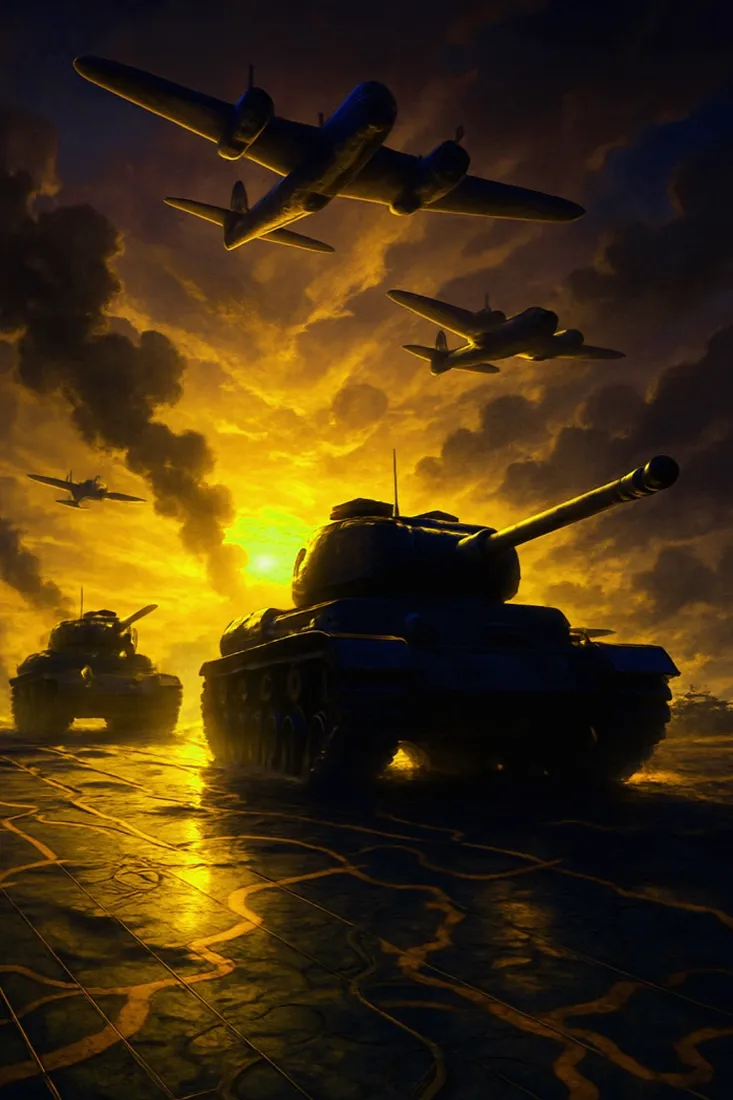
Call of War takes the Second World War and turns it into a slow, absorbing chess match played in real time against other people, one province and one research decision at a time.

Second World War settingUnits move in real timeRounds can run for weeks

What earns it the top spot is honesty of design. Armies take real hours to cross the map, so a good plan matters more than a fast mouse. You juggle an economy, a research tree and land, air and naval forces at once, and the best moments come from reading a neighbour’s intentions before they show their hand. It rewards a few thoughtful check-ins a day rather than marathon sessions, which suits anyone fitting a war around a job.

The shortlist

Six fronts, ranked by how hard they make you think

Two grand strategy wars, one sprawling city that walks through history, a medieval castle, a kingdom of kings and governors and a Norse stronghold. Each card tells you the setting, the rhythm of a normal week and who will get the most out of it, so you can choose a war that fits your diary.

Call of WarDesk favourite01
WW2 grand strategy

Call of War

A Second World War grand strategy game played in real time on a shared map. You run a nation’s economy, steer a research tree and push land, air and naval forces against human rivals, with rounds that unfold over weeks. Thoughtful rather than frantic, and the deepest war on our list.

Combined forcesPersistent mapAlliances
Desktop browser; mobile app also available
Strategic depth9
Free-player fairness7
Week-to-week rhythm7
Alliance life8
Forge of EmpiresGentlest start02
City through the ages

Forge of Empires

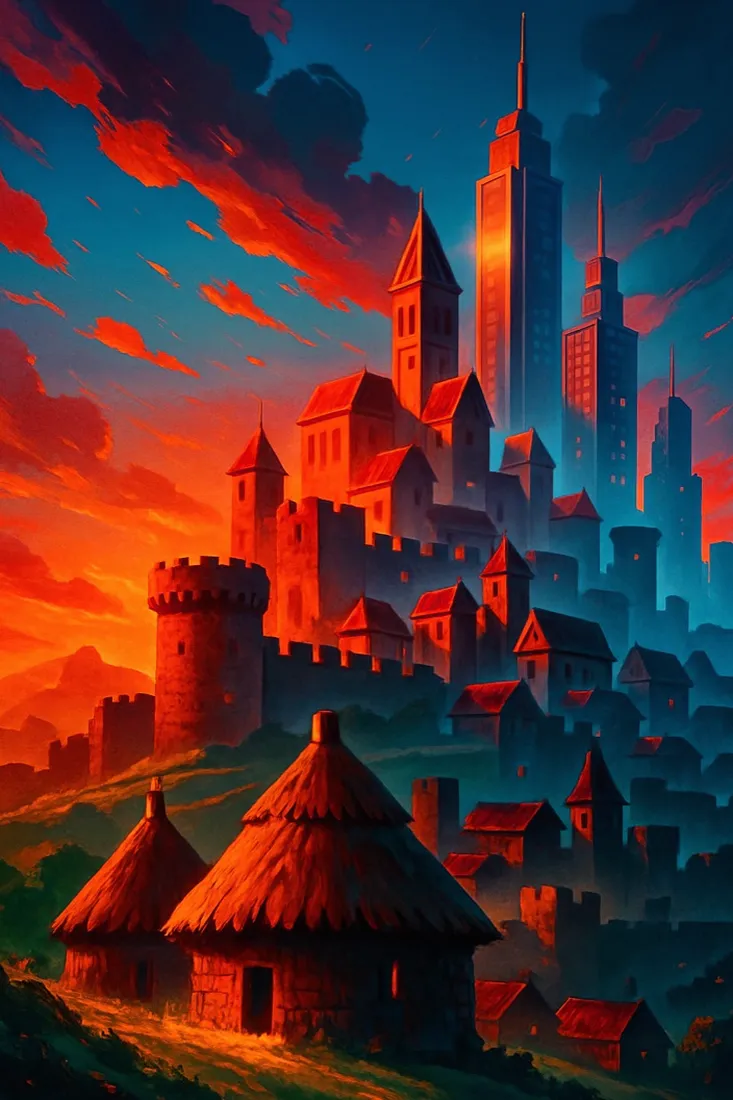
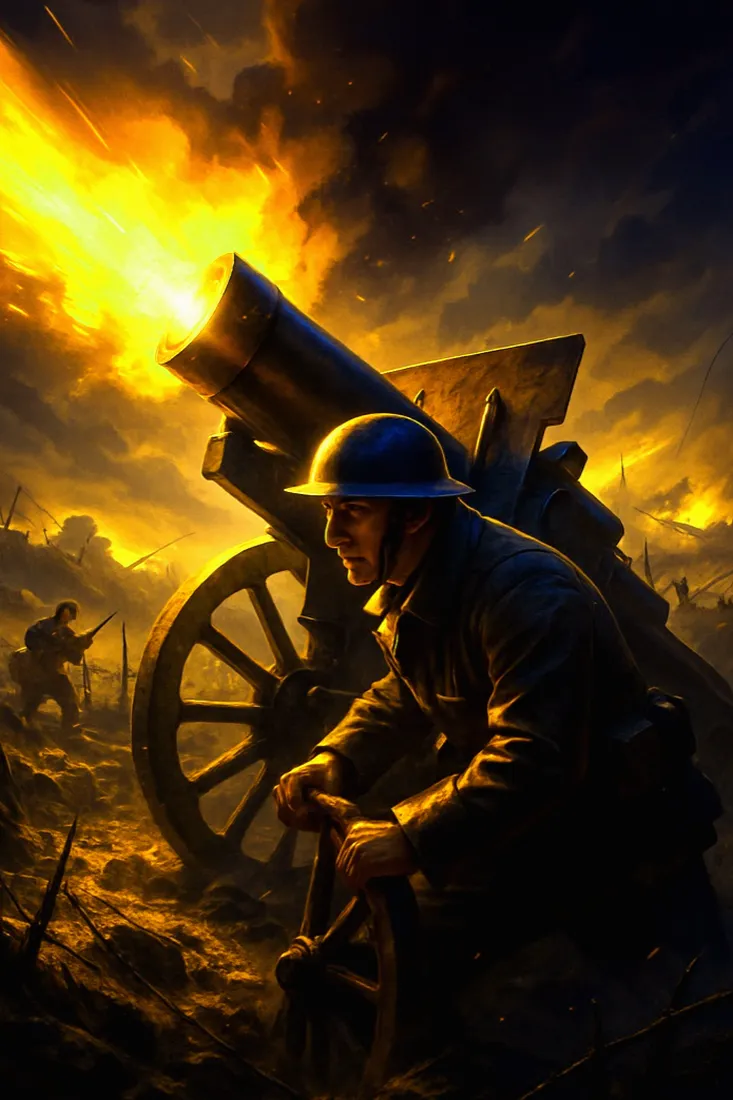
InnoGames’ long-running city builder carries one settlement from the Stone Age through the centuries and on into the future. You balance population, production and a research tree powered by Forge Points, raise famous Great Buildings and fight turn-based battles on hex grids. Calm, generous and endlessly fiddly in the best way.

City through erasResearch treeTactical battles
Desktop browser; mobile app also available
Strategic depth8
Free-player fairness8
Week-to-week rhythm9
Alliance life7
Supremacy 1914Diplomat’s choice03
WW1 grand strategy

Supremacy 1914

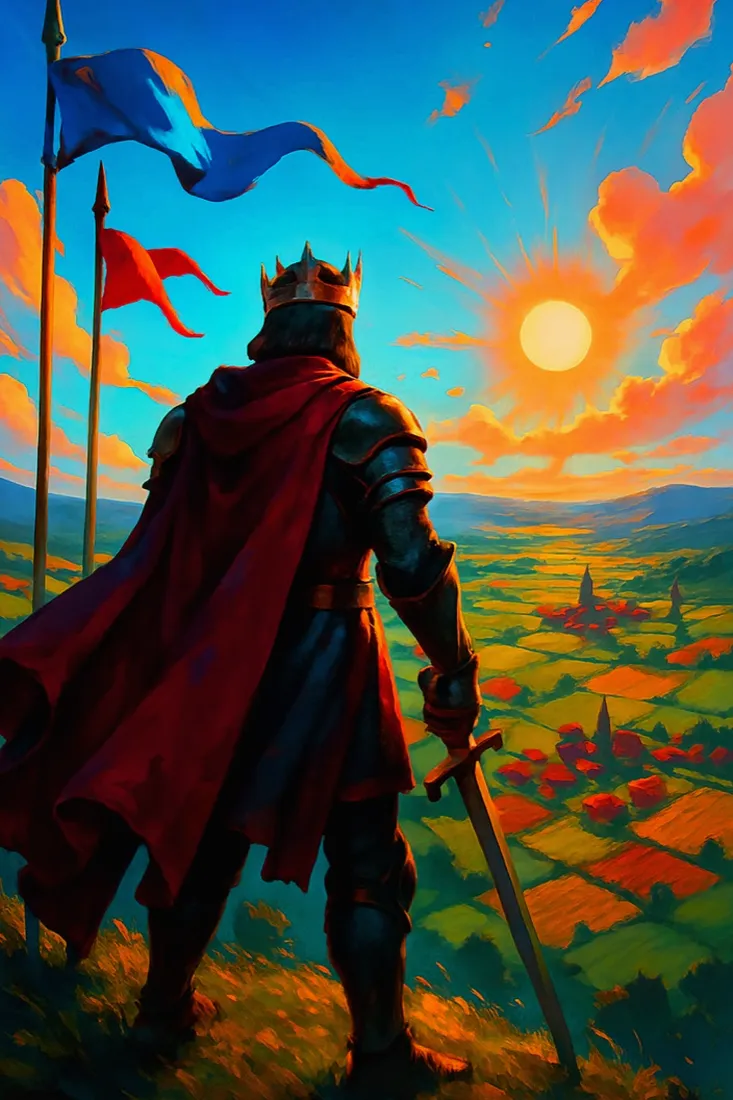
A First World War grand strategy game on a real-time map of Europe. You manage an economy of raw materials, keep your provinces content, mobilise armies and spend as much time negotiating as fighting. Older and plainer than its stablemate, but the diplomacy is as sharp as anything in the genre.

Real-time mapEconomy & armiesDiplomacy
Desktop browser; mobile app also available
Strategic depth8
Free-player fairness7
Week-to-week rhythm6
Alliance life9
Travian KingdomsBest long season04
Village-building MMO

Travian Kingdoms

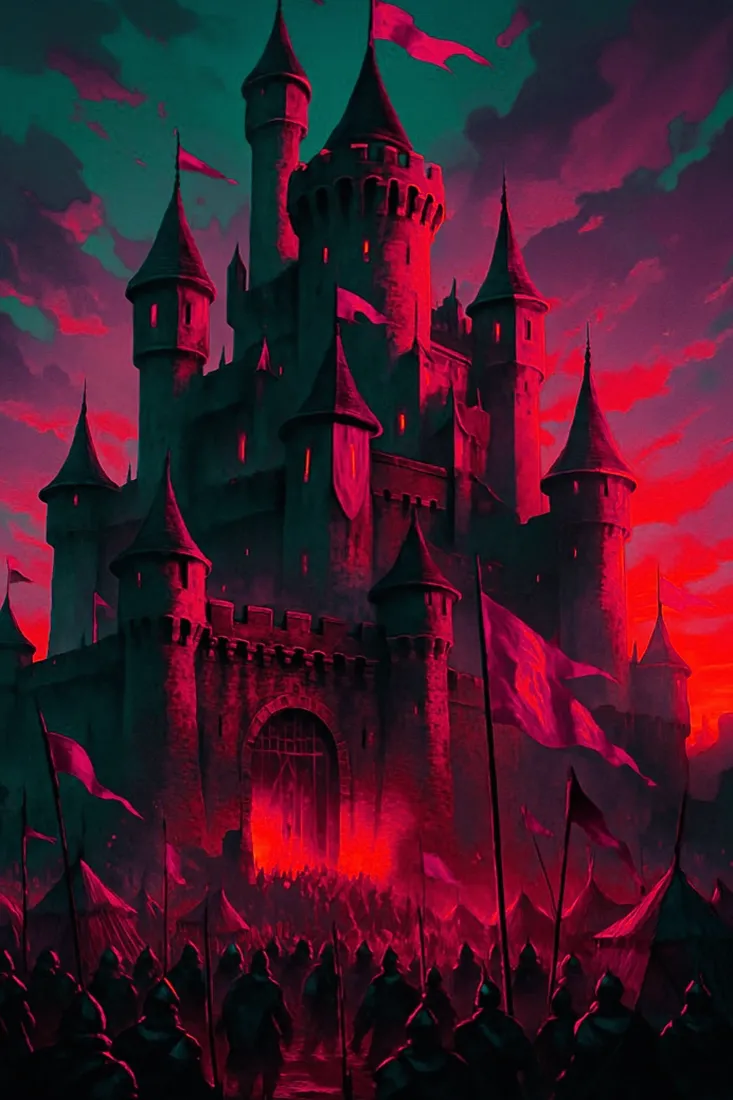
Travian Games’ village-building strategy MMO asks you to choose a role: king, who leads and protects a kingdom, or governor, who builds the economy inside its borders. You settle villages, upgrade them to cities, guard treasures and push towards a Wonder of the World across a round of around six months.

King or governorSettle new villagesTerritory rounds
Desktop browser; mobile app also available
Strategic depth8
Free-player fairness7
Week-to-week rhythm6
Alliance life9
Goodgame EmpireCastle classic05
Medieval castle war

Goodgame Empire

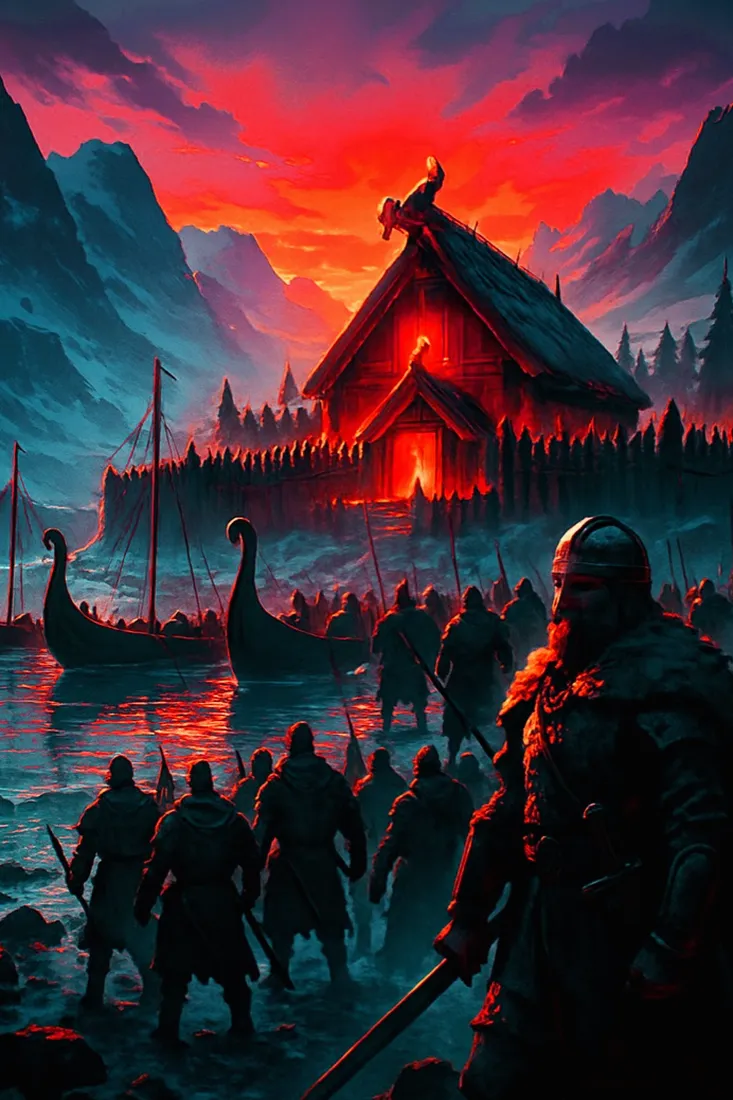
Goodgame Studios’ medieval strategy game, running since 2011, has you build and defend a castle, gather food, wood and stone, recruit commanders and train an army. As you grow, three further kingdoms open up, each with its own special resource, and alliances fight together across the map. Busy, colourful and very social.

Castle buildingArmy commandAlliance wars
Desktop browser; mobile app also available
Strategic depth6
Free-player fairness6
Week-to-week rhythm8
Alliance life8
Vikings: War of ClansFor raiders06
Norse clan strategy

Vikings: War of Clans

Plarium’s Norse strategy MMO puts you in charge of a Jarl and a growing stronghold. You train warriors through troop tiers, study Knowledge, send Heroes on raids and march across a kingdom map, while clans compete for the Place of Power at its centre and the Konung title that comes with it.

Stronghold & troop tiersJarl skill treeClan power struggle
Desktop browser; mobile app also available

Strategic depth6
Free-player fairness5
Week-to-week rhythm7
Alliance life8
Filter, sort and search all six →
Campaign finder

Three questions to match you with a front line

Answer honestly about the era you love, the time you really have and how much you enjoy other people. Ottilie will point you at the single game most likely to keep you coming back.

Ottilie
How the desk works

Rounds played, notes kept, scores argued over

Strategy games lie in their first hour. The tutorial is generous, the map looks empty and nobody has attacked you yet. So we judge each title across weeks, through at least one proper rivalry, and only then sit down to score it against four criteria that matter to people who like slow wars.

01

We join a live round, not a demo

Every game is played on a normal public world alongside ordinary players, from registration onwards. We note how quickly the map fills, when the first hostile move arrives and whether the early protection gives a newcomer a fair chance to find their feet. A game that only shines in its tutorial gets found out within the first week of real neighbours.

Live worldsReal rivalsNo shortcuts
02

We log the hours a war actually asks

Timers, travel times and production queues decide how a strategy game fits into a life. We record when we logged in, why, and what happened if we missed an evening. That diary becomes the pace line on every card, so you know whether a game wants three glances a day or a long Sunday session with a pot of tea.

Time diaryMissed-day testPace notes
03

We test the free path to the end

Every title here has optional purchases, so we play without them and watch where the pressure builds. Does a free commander still matter in alliance fights? Do the paid boosts change who wins a round, or only how fast someone gets there? Our free-player fairness score is written from that experience, not from a shop page.

Free pathShop pressureFairness

Who pays for the maps on the wall

Some buttons on Royalnovaarenaignition are partner links, and when a reader signs up through one we may earn a referral fee. That money keeps the desk running. Rankings are argued out among the writers first and the links are added afterwards, which is why a partner game can sit fifth and a game with no arrangement can sit at the top. If a score feels wrong, write in and tell us why.

Know your command style

Which kind of general are you, honestly?

Most players lean one way: planner, builder, diplomat or raider. Find yourself below and follow the arrow.

Field marshal

The field marshal with a pencil behind one ear

You enjoy mixing infantry, armour, aircraft and ships, and you like watching a front line bend in real time while rival nations make their moves. Research choices feel like strategy, not homework. Call of War is your theatre, and it rewards patience over panic.

Call of War →
Statesman

The statesman who wins wars by letter

You would rather talk a neighbour into a pact than storm their capital, and you read every message twice for hidden meaning. A First World War map of Europe, an economy to balance and rival powers to charm make Supremacy 1914 your natural home.

Supremacy 1914 →
City planner

The planner who adores a tidy grid

You get real pleasure from placing a building in exactly the right spot and watching a settlement march from huts into the far future. Fighting is welcome, but it serves the city. Forge of Empires gives you centuries to fuss over.

Forge of Empires →
Castellan

The castellan guarding the gatehouse

Walls, towers and a garrison that can hold until friends arrive: that is your idea of a good evening. You like an alliance chat that buzzes and a castle you can upgrade bit by bit. Goodgame Empire is built for you.

Goodgame Empire →
Kingmaker

The kingmaker who plays the long season

You like the idea of a defined role inside something bigger, whether that is wearing a crown or quietly running the richest villages in the realm. A months-long round with a clear finish line suits you. Travian Kingdoms fits like a signet ring.

Travian Kingdoms →
Raider

The raider who checks the map at breakfast

You want a stronghold to grow, a Jarl to level and a clan that plans hits together on the kingdom map. You enjoy frequent, short visits and the thrill of a well-timed march. Vikings: War of Clans has your longship ready.

Vikings: War of Clans →
Compare

Two campaigns, one council table

vs
Questions from the mess tent

What readers ask before their first campaign

No. All six run in a desktop browser, and each also has a mobile app if you would rather keep an eye on your empire from the sofa or the bus. Your account usually carries across, so you can plan on the laptop in the evening and check timers on your phone the next morning without losing progress.

Yes, with caveats we spell out in each review. In the grand strategy games, good diplomacy and attention to the map count for a great deal. In the builders, money mostly buys speed. Where paid boosts genuinely tilt a fight, our free-player fairness score drops and the review says exactly where the pressure shows.

Less than people fear, more than the adverts suggest. Most of these games work on timers, so the real demand is regularity rather than length. Three or four short visits a day will carry you a long way. The pace line on each card gives our honest estimate from the time diaries we kept while playing.

It depends on the game. In Call of War and Supremacy 1914 a long absence can cost you provinces, because the war carries on without you. Builders like Forge of Empires are forgiving and simply pause your progress. In alliance games, telling your teammates beforehand is the polite move and often the clever one too.

Forge of Empires and the governor role in Travian Kingdoms are the gentlest starting points, because you can learn the economy before anyone threatens you seriously. Call of War is the best grand strategy for a newcomer who is willing to read. Supremacy 1914 rewards experience and a thick skin when alliances shift.

Because this desk weighs strategic depth heavily, and Call of War offers the richest decisions per minute of attention. It is not the right first game for everyone, which is exactly why we built the campaign finder. If you prefer building to fighting, the quiz will happily send you towards Forge of Empires instead.

Whenever a game changes enough to matter: a new map type, a rebalanced economy or a reworked shop. We go back in, play again for long enough to judge, and update the review with the date in our notes. Readers often spot changes before we do, so do write in.

Your orders

Choose a front and plant your first flag tonight

Every one of these games is free to start and runs in the browser you are reading this in. Take the three-question finder if you are torn, or open the catalogue and compare the six side by side. Then settle in, because the best campaigns are the ones that take a while.